
Earth Day 2025: Our Power, Our Planet
“Tuesday, April 22, 2025 is the 55th anniversary of Earth Day. We invite everyone to support Earth Day’s 2025 theme: OUR POWER, OUR PLANET™.

There are many ways you can get involved and make a difference for our planet on Earth Day and every day. Join millions worldwide in Earth Day 2025 activities. Attend a local event or plan and register your own. Below you’ll find resources such as Quizzes, Fact Sheets, Articles and More to help you celebrate Earth Day this year in your community, at home, at work and at school.”
Events, toolkit and resources can be found here:
Earth Day Stories:
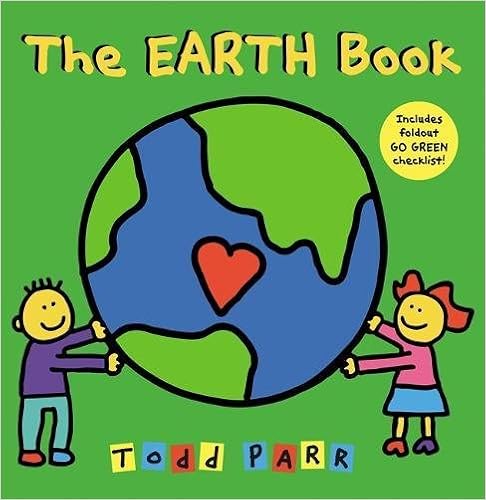
TumbleBook Library: (access via Learn75, no password required)
 What happens when one small boy picks up one small piece of litter? He doesn’t know it, but his tiny act has big consequences. From the miniscule to the universal, What Matters sensitively explores nature’s connections and traces the ripple effects of one child’s good deed to show how we can all make a big difference.
 You Are Stardust begins by introducing the idea that every tiny atom in our bodies came from a star that exploded long before we were born. From its opening pages, the book suggests that we are intimately connected to the natural world; it compares the way we learn to speak to the way baby birds learn to sing, and the growth of human bodies to the growth of forests. This innovative picture book aims to reintroduce children to their innate relationship with the world around them by sharing many of the surprising ways that we are all connected to the natural world.

Wild Ideas looks deep into the forests, skies and oceans to explore how animals solve problems. Whether it’s weaving a safe place to rest and reflect, blowing a fine net of bubbles to trap fish, or leaping boldly into a new situation, the animals featured (including the orangutan, humpback whale and gibbon) can teach us a lot about creative problem solving tools and strategies. Wild Ideas encourages an inquiry-based approach to learning, inviting readers to indulge their sense of wonder and curiosity by observing the natural world, engaging with big ideas and asking questions.
Articles and Activity Ideas from CBC Kids:



 From the


 School District 75 Elementary Virtual Learning Commons
