Category Archives: Activity

Earth Day 2025

Earth Day 2025:  Our Power, Our Planet

“Tuesday, April 22, 2025 is the 55th anniversary of Earth Day. We invite everyone to support Earth Day’s 2025 theme: OUR POWER, OUR PLANET™.

There are many ways you can get involved and make a difference for our planet on Earth Day and every day. Join millions worldwide in Earth Day 2025 activities. Attend a local event or plan and register your own. Below you’ll find resources such as QuizzesFact SheetsArticles and More to help you celebrate Earth Day this year in your community, at home, at work and at school.”

Events, toolkit and resources can be found here:

Earth Day Stories:

TumbleBook Library: (access via Learn75, no password required)

What happens when one small boy picks up one small piece of litter? He doesn’t know it, but his tiny act has big consequences. From the miniscule to the universal, What Matters sensitively explores nature’s connections and traces the ripple effects of one child’s good deed to show how we can all make a big difference.

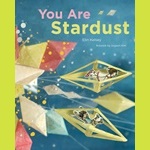
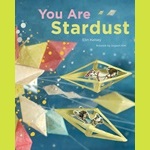
You Are Stardust begins by introducing the idea that every tiny atom in our bodies came from a star that exploded long before we were born. From its opening pages, the book suggests that we are intimately connected to the natural world; it compares the way we learn to speak to the way baby birds learn to sing, and the growth of human bodies to the growth of forests. This innovative picture book aims to reintroduce children to their innate relationship with the world around them by sharing many of the surprising ways that we are all connected to the natural world.

Wild Ideas looks deep into the forests, skies and oceans to explore how animals solve problems. Whether it’s weaving a safe place to rest and reflect, blowing a fine net of bubbles to trap fish, or leaping boldly into a new situation, the animals featured (including the orangutan, humpback whale and gibbon) can teach us a lot about creative problem solving tools and strategies. Wild Ideas encourages an inquiry-based approach to learning, inviting readers to indulge their sense of wonder and curiosity by observing the natural world, engaging with big ideas and asking questions.

Articles  and Activity Ideas from CBC Kids:

National Poetry Month: April 2025

From the League of Canadian Poets:

“Celebrate National Poetry Month 2025 using the theme FAMILY in its many forms: found and chosen family, birth family, and family that defies categorization.

This April, turn to poetry to celebrate, cherish, mourn, critique, and explore the myriad bonds that family forms in our lives. Parents, pets, friendships, soulmates, siblings, plants, and beyond: the League invites you to examine the shape of family in your life now, to witness the intergenerational impact of ancestors, and to consider the role of family in generations to come. “

  1. Selections from: Tea and Bannock Stories: First Nations Community of Poetic Voices (Simon Fraser University, First Nations Studies. Compiled by annie ross, Brandon Bob, Eve Chuang and the Chuang Family, Steve Davis, Robert Pictou)


2. Selections from Poetry Foundation: Poetry for Children

Ideas for Teachers: (from the League of Canadian Poets)

Poetry Play Stations

Poetry play stations use different techniques to encourage young readers to craft poems. Here are some great stations to include:

Erasure poetry: Using a page of existing text, use a black marker to complete cross out sections of the text — the words or phrases that remain can be strung together to form an original poem! Part of the beauty of erasure poem is how the entire page looks when completed, blacked-out sections and all.  Try it with a newspaper article!

Found poetry: Found poetry is very similar to erasure poetry — well, erasure poetry is a kind of found poetry — but with a little more freedom. Again using an existing text, participants select words or phrases from the text that they think will make a great poem: using the found words and phrases, they can play with line breaks, stanzas, and other ways of construction an original poem from the found text!

Book spine poetry: This is a great poetic experiment that takes over Twitter every April — using as few as three or as many as… well, as many as you can stack, create a poem using the titles of books as they appear on the spines. These make excellent photos and are great for sharing!

Magnet poetry: A classic! Choosing words from a pile of individual words to string together an original poem. This could be from a magnetic poetry set, but you could also simply prepare an assortment of words for participants to choose from.” (Source: League of Canadian Poets)

Additional Resources:

“Every National Poetry Month we present Dear Poet, a multimedia education project that invites young people in grades five through twelve to write letters in response to poems written and read by award-winning poets.”

Earth Day 2024

Earth Day 2024:  Planet vs. Plastics

“For Earth Day 2024 on April 22nd, EARTHDAY.ORG is unwavering in our commitment to end plastics for the sake of human and planetary health, demanding a 60% reduction in the production of ALL plastics by 2040.”

EarthDay2024_1

Earth Day Stories:

https://www.youtube.com/watch?v=aXnWUS_K0XQ?rel=0

Tumblebooks: (access via Learn75, no password required)

What happens when one small boy picks up one small piece of litter? He doesn’t know it, but his tiny act has big consequences. From the miniscule to the universal, What Matters sensitively explores nature’s connections and traces the ripple effects of one child’s good deed to show how we can all make a big difference.

You Are Stardust begins by introducing the idea that every tiny atom in our bodies came from a star that exploded long before we were born. From its opening pages, the book suggests that we are intimately connected to the natural world; it compares the way we learn to speak to the way baby birds learn to sing, and the growth of human bodies to the growth of forests. This innovative picture book aims to reintroduce children to their innate relationship with the world around them by sharing many of the surprising ways that we are all connected to the natural world.

Wild Ideas looks deep into the forests, skies and oceans to explore how animals solve problems. Whether it’s weaving a safe place to rest and reflect, blowing a fine net of bubbles to trap fish, or leaping boldly into a new situation, the animals featured (including the orangutan, humpback whale and gibbon) can teach us a lot about creative problem solving tools and strategies. Wild Ideas encourages an inquiry-based approach to learning, inviting readers to indulge their sense of wonder and curiosity by observing the natural world, engaging with big ideas and asking questions.

Articles  and Activity Ideas from CBC Kids:

National Poetry Month: April 2024

NationalPoetry_2024

From the League of Canadian Poets:

Celebrate National Poetry Month 2024 with the theme of WEATHER. Through sun, snow, rain, wind, fog, and many other iterations, we find the captivating presence of weather. With poetic flair, weather dictates the rhythms of our lives from coast to coast.

This April 2024, we invite poets and poetry lovers to delve into the experiences, feelings, and inspiration that weather offers. Whether the serenity of a snowfall, exhilaration of a summer downpour, or the familiar whispers of a gentle breeze, the League of Canadian Poets invites you to explore WEATHER this National Poetry Month – April 2024.

  1. Selections from: Tea and Bannock Stories: First Nations Community of Poetic Voices (Simon Fraser University, First Nations Studies. Compiled by annie ross, Brandon Bob, Eve Chuang and the Chuang Family, Steve Davis, Robert Pictou)


2. Selections from Poetry Foundation: Poetry for Children

Ideas for Teachers: (from the League of Canadian Poets)

Poetry Play Stations

Poetry play stations use different techniques to encourage young readers to craft poems. Here are some great stations to include:

Erasure poetry: Using a page of existing text, use a black marker to complete cross out sections of the text — the words or phrases that remain can be strung together to form an original poem! Part of the beauty of erasure poem is how the entire page looks when completed, blacked-out sections and all.  Try it with a newspaper article!

Found poetry: Found poetry is very similar to erasure poetry — well, erasure poetry is a kind of found poetry — but with a little more freedom. Again using an existing text, participants select words or phrases from the text that they think will make a great poem: using the found words and phrases, they can play with line breaks, stanzas, and other ways of construction an original poem from the found text!

Book spine poetry: This is a great poetic experiment that takes over Twitter every April — using as few as three or as many as… well, as many as you can stack, create a poem using the titles of books as they appear on the spines. These make excellent photos and are great for sharing!

Magnet poetry: A classic! Choosing words from a pile of individual words to string together an original poem. This could be from a magnetic poetry set, but you could also simply prepare an assortment of words for participants to choose from.” (Source: League of Canadian Poets)

National Poetry Month 2023

Poetry_2023

From the League of Canadian Poets:

The League of Canadian Poets invites you to celebrate the 25th National Poetry Month this April 2023 with the theme of joy. 

What will you read this National Poetry Month?  Will you start your own poetry writing project? Will you write your first poem?

What does JOY mean to you?

  1. Selections from: Tea and Bannock Stories: First Nations Community of Poetic Voices (Simon Fraser University, First Nations Studies. Compiled by annie ross, Brandon Bob, Eve Chuang and the Chuang Family, Steve Davis, Robert Pictou)


2. Selections from Poetry Foundation: Poetry for Children

Ideas for Teachers: (from the League of Canadian Poets)

Poetry Play Stations

Poetry play stations use different techniques to encourage young readers to craft poems. Here are some great stations to include:

Erasure poetry: Using a page of existing text, use a black marker to complete cross out sections of the text — the words or phrases that remain can be strung together to form an original poem! Part of the beauty of erasure poem is how the entire page looks when completed, blacked-out sections and all.  Try it with a newspaper article!

Found poetry: Found poetry is very similar to erasure poetry — well, erasure poetry is a kind of found poetry — but with a little more freedom. Again using an existing text, participants select words or phrases from the text that they think will make a great poem: using the found words and phrases, they can play with line breaks, stanzas, and other ways of construction an original poem from the found text!

Book spine poetry: This is a great poetic experiment that takes over Twitter every April — using as few as three or as many as… well, as many as you can stack, create a poem using the titles of books as they appear on the spines. These make excellent photos and are great for sharing!

Magnet poetry: A classic! Choosing words from a pile of individual words to string together an original poem. This could be from a magnetic poetry set, but you could also simply prepare an assortment of words for participants to choose from.” (Source: League of Canadian Poets)

Earth Day 2023

Earth Day 2023:

Earth Day Stories:

https://www.youtube.com/watch?v=aXnWUS_K0XQ?rel=0

Tumblebooks: (access via Learn75, no password required)

What happens when one small boy picks up one small piece of litter? He doesn’t know it, but his tiny act has big consequences. From the miniscule to the universal, What Matters sensitively explores nature’s connections and traces the ripple effects of one child’s good deed to show how we can all make a big difference.

You Are Stardust begins by introducing the idea that every tiny atom in our bodies came from a star that exploded long before we were born. From its opening pages, the book suggests that we are intimately connected to the natural world; it compares the way we learn to speak to the way baby birds learn to sing, and the growth of human bodies to the growth of forests. This innovative picture book aims to reintroduce children to their innate relationship with the world around them by sharing many of the surprising ways that we are all connected to the natural world.

Wild Ideas looks deep into the forests, skies and oceans to explore how animals solve problems. Whether it’s weaving a safe place to rest and reflect, blowing a fine net of bubbles to trap fish, or leaping boldly into a new situation, the animals featured (including the orangutan, humpback whale and gibbon) can teach us a lot about creative problem solving tools and strategies. Wild Ideas encourages an inquiry-based approach to learning, inviting readers to indulge their sense of wonder and curiosity by observing the natural world, engaging with big ideas and asking questions.

Articles  and Activity Ideas from CBC Kids:

Earth Day 2022

Earth Day Stories:

https://www.youtube.com/watch?v=aXnWUS_K0XQ?rel=0

Tumblebooks: (access via Learn75, no password required)

What happens when one small boy picks up one small piece of litter? He doesn’t know it, but his tiny act has big consequences. From the miniscule to the universal, What Matters sensitively explores nature’s connections and traces the ripple effects of one child’s good deed to show how we can all make a big difference.

You Are Stardust begins by introducing the idea that every tiny atom in our bodies came from a star that exploded long before we were born. From its opening pages, the book suggests that we are intimately connected to the natural world; it compares the way we learn to speak to the way baby birds learn to sing, and the growth of human bodies to the growth of forests. This innovative picture book aims to reintroduce children to their innate relationship with the world around them by sharing many of the surprising ways that we are all connected to the natural world.

Wild Ideas looks deep into the forests, skies and oceans to explore how animals solve problems. Whether it’s weaving a safe place to rest and reflect, blowing a fine net of bubbles to trap fish, or leaping boldly into a new situation, the animals featured (including the orangutan, humpback whale and gibbon) can teach us a lot about creative problem solving tools and strategies. Wild Ideas encourages an inquiry-based approach to learning, inviting readers to indulge their sense of wonder and curiosity by observing the natural world, engaging with big ideas and asking questions.

Articles  and Activity Ideas from CBC Kids:

National Poetry Month 2022

Poetry_2022_2

From the League of Canadian Poets:

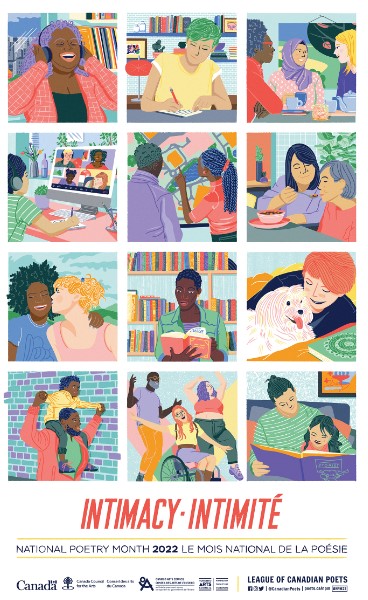
The League of Canadian Poets invites you to celebrate the 24nd National Poetry Month this April 2022 with the theme of intimacy. 

This National Poetry Month, we invite you to celebrate with the theme of INTIMACY.

We crave it. We fear it. We are ready to build walls against it and dive headfirst into its open arms. Intimacy is the closeness we feel with those who love us, given freely through warm hugs. It’s a shared laugh or glance between strangers, a moment of comfort in an anonymous world.

What will you read this National Poetry Month?  Will you start your own poetry writing project? Will you write your first poem?

  1. Selections from: Tea and Bannock Stories: First Nations Community of Poetic Voices (Simon Fraser University, First Nations Studies. Compiled by annie ross, Brandon Bob, Eve Chuang and the Chuang Family, Steve Davis, Robert Pictou)


2. Selections from Poetry Foundation: Poetry for Children

Ideas for Teachers: (from the League of Canadian Poets)

Poetry Play Stations

Poetry play stations use different techniques to encourage young readers to craft poems. Here are some great stations to include:

Erasure poetry: Using a page of existing text, use a black marker to complete cross out sections of the text — the words or phrases that remain can be strung together to form an original poem! Part of the beauty of erasure poem is how the entire page looks when completed, blacked-out sections and all.  Try it with a newspaper article!

Found poetry: Found poetry is very similar to erasure poetry — well, erasure poetry is a kind of found poetry — but with a little more freedom. Again using an existing text, participants select words or phrases from the text that they think will make a great poem: using the found words and phrases, they can play with line breaks, stanzas, and other ways of construction an original poem from the found text!

Book spine poetry: This is a great poetic experiment that takes over Twitter every April — using as few as three or as many as… well, as many as you can stack, create a poem using the titles of books as they appear on the spines. These make excellent photos and are great for sharing!

Magnet poetry: A classic! Choosing words from a pile of individual words to string together an original poem. This could be from a magnetic poetry set, but you could also simply prepare an assortment of words for participants to choose from.” (Source: League of Canadian Poets)

Literacy games and Events

Want to practice this summer?

SUMMER READING CLUBS

Crack the Case! Be a super sleuth this summer when you join FVRL’s 2021 Summer Reading Club. There is a club for everyone!

  • Read To Me (0 to Preschool) Share stories, record reading, enter to win prizes and get a medal.
  • Kids (grades K to 6) Record your reading, check out our virtual performers, enter to win prizes, and earn a medal.
  • Teens (grades 7 to 12) Read. Record. Repeat. It begins when you download an SRC reading record. Read every day for a chance to win fantastic prizes!
  • Adults Download a reading record and mark your reading for a chance to win prizes every week all summer. The more you read, the more chances to win!

How do I join? Sign up starts June 1 and continues throughout the summer. Sign up and reading records can be found here.

How does it work? You and your family members can sign up online and download a reading record! Mark, colour, or sticker your reading record for each day that you read for 15 minutes or more! You can read anywhere. For every seven days that you read, you can enter to win a prize!

Summer Reading Club and COVID-19

We want everyone to stay safe and have fun this summer! To ensure physical distancing, all reading records and contests are available online. We encourage you to participate in Summer Reading Club online if possible. If you need a paper reading record, please contact your local FVRL library to arrange for a contactless pickup. If you need assistance to enter the weekly prize draw, please contact your local FVRL library and a staff member will be happy to help.

Offline Literacy Activities:

(inspired by Ann George as part of  the Joyful Literacy initiative developed by Dr. Janet Mort)

  • Play “I Spy”. (I spy with my little eye a letter that is in your name or I spy with my little eye the letter “c” on the cereal box or I spy with my little eye something that makes the “ssss” sound from the letter “s”.
  • Using objects found in nature (sticks, leaves, rocks etc.), write your name, some words, a message or poem and take a picture.
  • Make up a letter dance and some music to go with it.
  • Search for letters older newspapers/magazines and circle the letters.
  • Look for the letters of the alphabet in around the house or in nature. Take pictures of them to create your name.
  • Make a list of 26 things in your house, one for each letter of the alphabet – a/apple, b/book, c/cat etc.
  • Collect little things that you see throughout your house. Try to collect one thing for every letter of the alphabet (e.g. A – ant, B – beach glass, K – kite string, Y – yellow dandelion).

(developed by Dr. Janet Mort)

Online Literacy Games :

Halq’eméylem:

English Alphabet Games:

https://www.activityvillage.co.uk/alphabet-games

English Sight Words:

www.education.com/games/sight-words

English Letter Games:

http://www.abcya.com/

English Sounds, Rhyming:

http://getreadytoread.org/skill-building-activities/online-games 

English Alphabet and Phonics:

http://www.starfall.com/ (free limited use of site, paid member = full use of site)

Earth Day 2021

Earth Day Stories:

https://www.youtube.com/watch?v=aXnWUS_K0XQ?rel=0

636809

https://www.youtube.com/watch?v=9pQftknij8k?rel=0

Tumblebooks: (access via Learn75, no password required)

What happens when one small boy picks up one small piece of litter? He doesn’t know it, but his tiny act has big consequences. From the miniscule to the universal, What Matters sensitively explores nature’s connections and traces the ripple effects of one child’s good deed to show how we can all make a big difference.

You Are Stardust begins by introducing the idea that every tiny atom in our bodies came from a star that exploded long before we were born. From its opening pages, the book suggests that we are intimately connected to the natural world; it compares the way we learn to speak to the way baby birds learn to sing, and the growth of human bodies to the growth of forests. This innovative picture book aims to reintroduce children to their innate relationship with the world around them by sharing many of the surprising ways that we are all connected to the natural world.

Wild Ideas looks deep into the forests, skies and oceans to explore how animals solve problems. Whether it’s weaving a safe place to rest and reflect, blowing a fine net of bubbles to trap fish, or leaping boldly into a new situation, the animals featured (including the orangutan, humpback whale and gibbon) can teach us a lot about creative problem solving tools and strategies. Wild Ideas encourages an inquiry-based approach to learning, inviting readers to indulge their sense of wonder and curiosity by observing the natural world, engaging with big ideas and asking questions.

Articles  and Activity Ideas from CBC Kids:

National Poetry Month 2021

NationalPoetry2021

From the League of Canadian Poets:

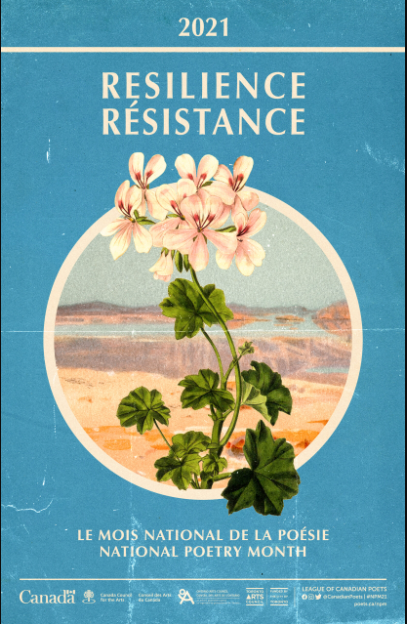
The League of Canadian Poets invites you to celebrate the 23nd National Poetry Month this April 2021 with the theme of resilience. 

“What does it mean to be resilient? We meet resilience in every corner we’ve been backed into, every hardship that we endure. Resilience is geographical, spiritual, historical. It’s the fight against climate change, the inner battle with mental health, the outcry for human rights and an end to systemic racism. Resilience is the backbone of generations of trauma, the silence at the dinner table, the bow to culture’s violin. Resilience is the courage to start each day anew. This NPM 2021, we celebrate, reflect on and respect the resilience that has made us who we are.”

  1. Selections from: Tea and Bannock Stories: First Nations Community of Poetic Voices (Simon Fraser University, First Nations Studies. Compiled by annie ross, Brandon Bob, Eve Chuang and the Chuang Family, Steve Davis, Robert Pictou)


2. Selections from Poetry Foundation: Poetry for Children

Ideas for Teachers: (from the League of Canadian Poets)

Poetry Play Stations

Poetry play stations use different techniques to encourage young readers to craft poems. Here are some great stations to include:

Erasure poetry: Using a page of existing text, use a black marker to complete cross out sections of the text — the words or phrases that remain can be strung together to form an original poem! Part of the beauty of erasure poem is how the entire page looks when completed, blacked-out sections and all.  Try it with a newspaper article!

Found poetry: Found poetry is very similar to erasure poetry — well, erasure poetry is a kind of found poetry — but with a little more freedom. Again using an existing text, participants select words or phrases from the text that they think will make a great poem: using the found words and phrases, they can play with line breaks, stanzas, and other ways of construction an original poem from the found text!

Book spine poetry: This is a great poetic experiment that takes over Twitter every April — using as few as three or as many as… well, as many as you can stack, create a poem using the titles of books as they appear on the spines. These make excellent photos and are great for sharing!

Magnet poetry: A classic! Choosing words from a pile of individual words to string together an original poem. This could be from a magnetic poetry set, but you could also simply prepare an assortment of words for participants to choose from.” (Source: League of Canadian Poets)

Dot Day 2020

No matter what, we’re determined to celebrate #InternationalDotDay in 2020. When the going gets tough, the creative get going. Join us!

Make your mark this school year!  September 15th-ish is International Dot Day!  Join the celebration of creativity, courage and collaboration! Based on the story “The Dot” by Peter H. Reynolds, this is a great way to start the year by celebrating the creative talents of children.

Watch the videos below to see examples of students collaborating creatively and get inspired to create:

http://animoto.com/play/CTF6JLGlvmRFNqnyN6sgmA?utm_source=thedotclub.org&utm_medium=player&utm_campaign=player

http://youtu.be/CseZabRV-Mw?rel=0

 Resources:

International Dot Day website: Get Inspired

Multi-language Dot Day Posters

Poster Gallery:  (many themes, including A Thinking Journey & Think Globally)

Peter H. Reynolds Website

Fablevision Creative Learning Website

Welcome to Kindergarten!

The MPSD StrongStart team has prepared a variety of fun and easy learning activities families can do at home.

Each of the activities is related to a Welcome to Kindergarten theme and several have links to short, engaging videos.

Have fun and see you in September!

Creative Exploration:

Healthy Choices:

Music and Movement:

Noticing Print:

Numeracy:

Playdough:

Science:

Social and Emotional Learning:

Talking and Reading Together:

Virtual Field Trips

VIRTUAL FIELD TRIPS

A Journey into Time Immemorial:
Created by the SFU Museum of Anthropology and Ethnology with active participation from local Stó:lō Elders and knowledge keepers, this interactive website allows students to explore a pre-colonial Stó:lō community and listen to Elders being interviewed on many topics such as weaving, First Salmon Ceremony, Welcome Song, and more.
*Update: this site no longer exists, but Siwal Si’wes Digital Library has preserved some of the content and videos.
Back to Batoche:
This is an interactive tour on the colourful history and culture of the past and present Batoche. The website features video interviews with elders, video and photo highlights from the annual Back to Batoche festivals, Métis music, games, quizzes, photo albums, virtual tours, hundreds of pages of text to learn from, as well as a series of interactive personalized guided tours.
Canadian Farm and Food Tours: many types of farms to choose
Canadian Museum of History: online exhibitions
Canadian Museum of Nature: Explore Nature
Includes mobile apps, websites, blogs, videos and multimedia presentations.
Hauyat: Explore Our Territory:
Discover ancient clam beds, archaeological digs and more in this virtual tour of Hauyat Territory, located on Hunter Island in Queen Charlotte Sound, BC.
Iningat Ilagiit:

Iningat Ilagiit, means “a place for family.”

Inuit artists from Kinngait (Cape Dorset) have created thousands of drawings. Almost 4,000 of these drawings, as well as 250 photographs, are available online here.

Not only can you browse the collection, but you can also build your own collections of favourite artworks in order to create your own virtual exhibitions to share with others.

Inuit Prints from Cape Dorset:

Canada’s national collection of Inuit prints from Cape Dorset – the birthplace of Inuit printmaking. Offered in French, English, and Inuktitut.

Iqaluit, Nunavut : Virtual visit to the Canadian Arctic
Living Traditions: The Kwakwaka’wakw Potlatch on the Northwest Coast

Since time immemorial, the Kwakwaka’wakw have hosted potlatch ceremonies, and potlatching continues to play a central and unifying role in community life today.

The repatriated Potlatch Collection at the U’mista Cultural Centre tells an epic story of the resistance and resilience of the Kwakwaka’wakw. Learn more through film clips, incredible 3-D photographs, and Kwak’wala audio clips. A series of curriculum-based lesson plans is also available, to help you share this fascinating story with your students.

Morning Star:

Explore Alex Janvier’s masterpiece Morning Star, painted on the dome of the Haida Gwaii Salon in the Museum.

National Gallery of Canada: Online Exhibitions
Nature Lab – Virtual Field Trips:

Virtual field trips allow students to travel the world and explore natural environments without leaving the classroom. Each virtual field trip contains a video, teacher guide, and student activities. Spotlight: View from a Canoe

One Mind, One Heart (MOA):

Learn more about the fierce opposition by the Heiltsuk Nation to the proposed Enbridge Northern Gateway pipeline and oil-tanker traffic in their ancestral waters. One Mind, One Heart features films, photos of Heiltsuk territory, and community protests during the Project Review Panel’s visit to Bella Bella. The MOA installation shows the ancestral guardian of the undersea world, ’Yágis, swallowing an oil tanker trespassing in Heiltsuk waters. ’Yágis, the mask was created by Heiltsuk artist ’Nusí to invoke ancient Heiltsuk teachings and the law of Káxláya Gvi’ílás in order to protect their land and seas for the future.

Parliament Hill: 

Thanks to Google, we are able to do a “walking tour” through the Canadian Parliament Buildings in Ottawa just by clicking our mouse. The tour allows you to wander through the hallways and many rooms of the buildings, including:

  • the Peace Tower Observation Deck
  • the Memorial Centre
  • the House of Commons
  • the Prime Minister’s Office
  • the Library of Parliament
  • a Meeting Room
The Raven’s Call:

“The Raven’s Call” is the most comprehensive website dedicated to the life and work of Bill Reid.

Royal BC Museum: First Peoples, Indigenous Peoples

Online exhibits about local plants, residential school and reconciliation, living languages, and archaeology.

Royal BC Museum Learning Portal:

“This well-designed and engaging site focuses on BC culture and history. It allows students anywhere in the province to take a virtual field trip to the Museum. Each exhibit on the site features ways to listen, watch, and read, and also showcases the people behind the scenes who develop the collections and exhibits. Useful teacher guides and resources help link the exhibits to the curriculum.”(Gr. 5+) (Focused Education Review)

Royal Tyrell Museum:

This museum in Alberta is all about dinosaurs. Thanks for Google Maps and their streetview camera, you can wander around the museum as if you were there.

Shake it Up (MOA):

MOA’s exhibition, Shake Up: Preserving What We Value, explores the convergence of earthquake science and technology with the rich Indigenous knowledge and oral history of the living cultures represented in MOA’s Northwest Coast collection. You can explore the exhibit virtually.

Smithsonian Museum of Natural History Virtual Tour:
Visit galleries at the Smithsonian Museum.Choose where you want to go, places for close ups and enjoy a 3D view around where you stand.
Sq’éwlets: A Stó:lō-Coast Salish Community in the Fraser River Valley:

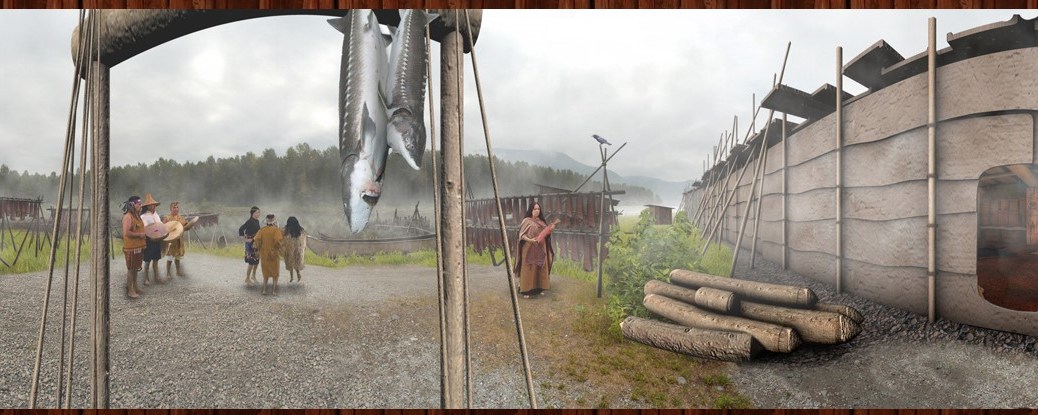
Kwelches – Welcome! Our Old People tell us we have always lived in S’ólhTéméxw (Our Land). We are Stó:lō (People of the River), a nation of tribes along the Fraser River. As Sq’éwlets, we are one of 30 Stó:lō communities. Sturgeon is our ancestor and we live where the Harrison River rounds the bend and flows into the Fraser River. This website shares our journey from ancient times to the present. Join us as we tell you our sxwōxwiyám (origin stories) and sqwelqwel (personal stories), through our own words in video, song, vision and memory

Thalit Sqwelqwel – Stories of Truth:

Locally developed Residential School Curriculum Website for students and teachers from Kindergarten through to grade 12.

The Truth and Reconciliation Commission of Canada presented its 94 Calls to Action in December 2015. Call to Action #63 (i) included: Developing and Implementing Kindergarten to Grade Twelve Curriculum and learning resources on Indigenous Peoples in Canadian history, and the history and legacy of Residential Schools.  This website is a direct result of this call to action. The goal of this effort is to build student capacity for intercultural understanding, empathy and mutual respect. Please visit https://greatspirithand.com and continue your journey towards Reconciliation today!

Virtual Museum of Canada:

The largest digital source of stories and experiences shared by Canada’s museums and heritage organizations.

Virtual Museum of Metis History and Culture:

This website provides a detailed look at Metis history and culture sharing Metis stories, interviews, photographs, and various archival documents.

Voices of the Canoe:

Learning about the canoe traditions of the Fijian, Squamish, and Haida helps us understand the historical and ongoing importance of canoe culture for these Indigenous peoples.

This website presents a range of evidence – photographs, maps, interviews, historical texts and short films – to assist educators and students in understanding the importance of canoes for the Fijian, Squamish, and Haida peoples.

Welcome to Naikoon Park:
An interactive website that allows students to hike Naikoon Park, located in the traditional territory of the Haida Nation.
Whose Land:
Whose Land is a web-based app that uses GIS technology to assist users in identifying Indigenous Nations, territories, and Indigenous communities across Canada. The app can be used for learning about the territory your home or business is situated on, finding information for a land acknowledgement, and learning about the treaties and agreements signed across Canada. Educational videos are available to watch that will give you a better understanding of why land acknowledgements are important, and the way Indigenous people view their relationship to land.

Art Class

Here are some lessons, activities, and books about art that you might enjoy:

  1. LunchDoodles with Mo Willems!  Watch the episodes and doodle! Here are a few samples:
  • Episode 1: In his first LUNCH DOODLE, Mo welcomes you into his studio at home and guides you through drawing activities using one of his favorite characters as inspiration!

To download this episode’s activity page, click here

  • Episode 2: Mo invites you into his studio, doodles, and teaches you how to draw Elephant.

To download this episode’s activity page, click here.

  • Episode 3: Mo invites you into his studio, doodles, and teaches you how to draw Piggie.

To download this episode’s activity page, click here.


2. Draw Everyday with JJK: art lessons with author and illustrator Jarrett J. Krosoczka


3. Dav Pilkey at Home (via Scholastic): Drawing lessons, activities, videos and more!


4. Tumblebooks Art Stories:

(username: tumble735, password = books)


Shared Reading K-3

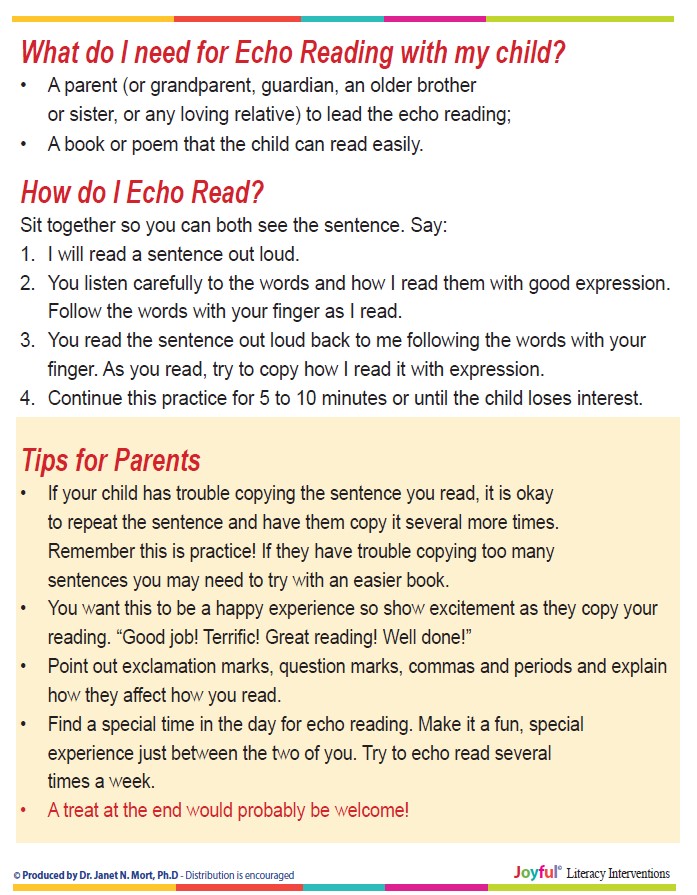
Reading Strategy for Families:  Echo Reading 

Developed by Dr. Janet Mort, Joyful Literacy Interventions

Click here to download a .pdf version.


Sample e-books to practice with:

Literacy Place e-books (K-3):

These e-books have the option to read-along  with highlighted sentences, read on your own, or use them to ‘Echo Read’ with children. Here are the steps to access  books at various primary grade levels:

Kindergarten suggestion:

Grade 1 suggestion: 

Grade 2 suggestion:

Grade 3 suggestion:


Teachers:

  • K-3: Many of the Literacy Place e-books come with a comprehensive teaching plan for early literacy development.  Here are some of the features:

What’s Growing in the Garden?

It’s spring and a time of plant growth and development.  What’s growing around your home or neighborhood?

Here are some stories, games and activities for some inspiration:

  1. Tumblebooks: (access via Learn75, no password required)

After traveling the world in her fantastic teapot, Rose is ready to put down roots. She sets about planting flower seeds in a neglected corner of a bustling city. And then she waits – through rain and cold and snow. Rose waits, never doubting that the garden she envisions will one day come to be.

Rose’s Garden: Sentence Game (match the sentence with the  picture from the story)

Creative ideas: Make your own paper flowers or take photos of real ones as they grow!

Teachers:

  • K-6: Visit the Environmental Learning page on Curriculum Connections for a wealth of planting resources, shared by Dewdney Elementary School.

Earth Day 2020

Earth Day Stories:

https://www.youtube.com/watch?v=aXnWUS_K0XQ?rel=0

636809

https://www.youtube.com/watch?v=9pQftknij8k?rel=0

Tumblebooks: (username= tumble735, password = books)

What happens when one small boy picks up one small piece of litter? He doesn’t know it, but his tiny act has big consequences. From the miniscule to the universal, What Matters sensitively explores nature’s connections and traces the ripple effects of one child’s good deed to show how we can all make a big difference.

You Are Stardust begins by introducing the idea that every tiny atom in our bodies came from a star that exploded long before we were born. From its opening pages, the book suggests that we are intimately connected to the natural world; it compares the way we learn to speak to the way baby birds learn to sing, and the growth of human bodies to the growth of forests. This innovative picture book aims to reintroduce children to their innate relationship with the world around them by sharing many of the surprising ways that we are all connected to the natural world.

Wild Ideas looks deep into the forests, skies and oceans to explore how animals solve problems. Whether it’s weaving a safe place to rest and reflect, blowing a fine net of bubbles to trap fish, or leaping boldly into a new situation, the animals featured (including the orangutan, humpback whale and gibbon) can teach us a lot about creative problem solving tools and strategies. Wild Ideas encourages an inquiry-based approach to learning, inviting readers to indulge their sense of wonder and curiosity by observing the natural world, engaging with big ideas and asking questions.
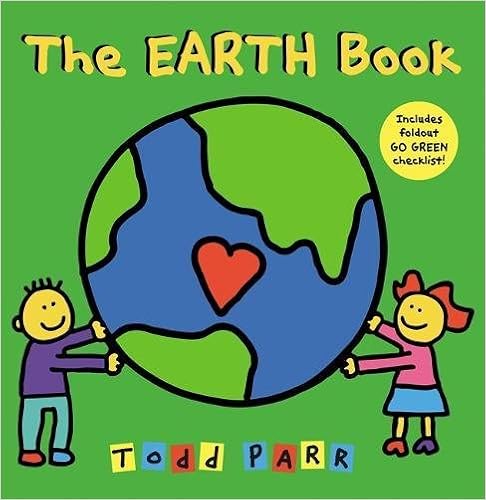
Articles  and Activity Ideas from CBC Kids:


Feelings

  1. Here is Todd Parr:
  • Reading the “Don’t Worry Book” to help us understand that feeling.  He’s got some great ideas for drawing and writing at the end too!


  • Sharing the “Things that Make You Feel Good” book idea:

Here is a link for you to make your own “Things That Make You Feel Good” book!

2. From Sesame Street:  Helping Children Manage Emotions

“You and your child can watch Abby Cadabby share the “calming down” strategies that work for her — from a great big self-hug to a deep, calming breath.

https://www.youtube.com/watch?v=Xa_qNH8u3OM?rel=0

Another useful tool families can use at home is a sparkly glitter jar.

What Exactly is a Glitter Jar?

Just what it sounds like: a simple, sealed jar filled with water and brightly colored glitter. When you shake it, the glitter whirling around the inside of the jar represents how your child is feeling inside. Have her watch the glitter swirl and take deep belly breaths while the glitter slowly drifts to the bottom. When it finally settles, the two of you will be able to see through the clear water, symbolizing that your child has achieved a calmer state and giving you the opportunity to talk about the big feeling she was experiencing. When you do talk, embrace “feelings words” like angry, scared, frustrated, disappointed, and worried. Having a word to label the way they are feeling is an important first step for children in managing a big emotion.

Make Your Own

Glitter jars are easy to make and can be great fun for the whole family. Start with a plastic bottle or jar with a lid for each family member, and the possibilities to personalize them are endless!”

This activity is from Ready for School! A Parent’s Guide to Playful Learning for Children Ages 2 to 5.

3. For Educators: Essential Digital Citizenship Lessons (SEL focus)

  • Grade 3: The Power of Words  – What should you do when someone uses mean or hurtful language on the internet? Focus on social and emotional learning as you help students learn how to process their feelings when they see or read something online.


  • Grade 6: Digital Drama Unplugged – How can you de-escalate digital drama so it doesn’t go too far? Students can learn how digital drama develops and how to de-escalate contentious situations.

Source: Common Sense Media (free account required to access the complete lesson plans)