Category Archives: Activity

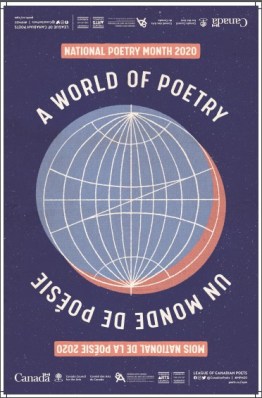
National Poetry Month 2020


From the League of Canadian Poets:

“We hope that this theme will inspire conversations, poems, and dialogues about the many ways poetry is expressed and honoured around the world, as well as the cultural impacts of poetry in different regions. We encourage poets from around the world to speak and write about what poetry means for their life experiences, perspectives and identity as well as the roots of poetry in their culture or country.

“What will you read this National Poetry Month? Will you start your own poetry writing project? Will you write your first poem? Will you share your poetry on stage for the first time?

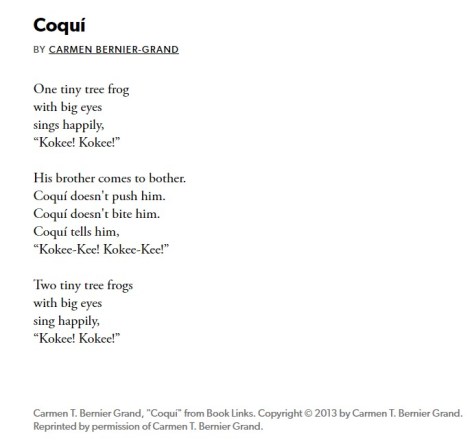
  1. Tumblebooks has some fun poetry video books to read online:  (username: tumble735, password: books)
Cat Named HaikuA Cat Named Haiku: Haiku is a form of Japanese poetry. Haiku is also a little cat who can’t seem to stay out of trouble. “A Cat Named Haiku” tells the story of the day in the life of a mischievous little cat, as he learns a valuable lesson on love told completely in haiku. After disobeying his owner, Haiku discovers at the end of the day even if someone is mad at you it doesn’t mean they don’t still love you. From climbing the curtains to trying to eat the pet goldfish, all of Haiku’s antics are chronicled in the three line poetry of his namesake in this 40 page children’s book intended for ages 6 and up.
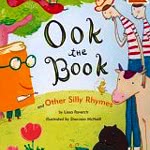
Ook the BookOok the Book

Ook the Book seems like it’s been around forever, dog-eared from decades of readings and rereadings. It could be the jaunty Seussian rhythms at play, but it has a classic quirkiness all its own–a blend of Calef Brown’s Polkabats and Octopus Slacks and the good Dr. Seuss’s The Cat in the Hat. With poem titles from “Ug the Bug” to “Eep the Sheep,” you can see that the rhyme is not exactly subtle. Therein lies its charm. While its simple rhymes make it perfect for building early reading skills, Shannon McNeill’s action-packed illustrations (awash in a delicious color palette) give readers of all ages plenty to snicker over. In “Ake the Snake,” for example, the snake has a cake, because he can bake. The snake, coiled by the lake (sporting a cupcake chef’s hat) is surrounded by baking ingredients and two tiny green traumatized bugs, who have indeed tried to take the snake cake, and therefore are being flung screaming into the lake, much to the dismay of another bug hiding behind a sack of what might be flour. We think it’s gutsy to write a poem as simple as “I am At, / At the cat. / Do you see Pat? / He is my rat. / I sat on Pat, / so he is flat.” And we like it. (Pat the flat rat doesn’t look too happy about it, however.) A wonderful primer for wee ones just starting to have fun with words. (Ages 2 to 5) –Karin Snelson —

2. Selections from: Tea and Bannock Stories: First Nations Community of Poetic Voices (Simon Fraser University, First Nations Studies. Compiled by annie ross, Brandon Bob, Eve Chuang and the Chuang Family, Steve Davis, Robert Pictou)


3. Selections from Poetry Foundation: Poetry for Children

Ideas for Teachers: (from the League of Canadian Poets)

Poetry Play Stations

Poetry play stations use different techniques to encourage young readers to craft poems. Here are some great stations to include:

Erasure poetry: Using a page of existing text, use a black marker to complete cross out sections of the text — the words or phrases that remain can be strung together to form an original poem! Part of the beauty of erasure poem is how the entire page looks when completed, blacked-out sections and all.  Try it with a newspaper article!

Found poetry: Found poetry is very similar to erasure poetry — well, erasure poetry is a kind of found poetry — but with a little more freedom. Again using an existing text, participants select words or phrases from the text that they think will make a great poem: using the found words and phrases, they can play with line breaks, stanzas, and other ways of construction an original poem from the found text!

Book spine poetry: This is a great poetic experiment that takes over Twitter every April — using as few as three or as many as… well, as many as you can stack, create a poem using the titles of books as they appear on the spines. These make excellent photos and are great for sharing!

Magnet poetry: A classic! Choosing words from a pile of individual words to string together an original poem. This could be from a magnetic poetry set, but you could also simply prepare an assortment of words for participants to choose from.” (Source: League of Canadian Poets)

 

Family Fun this Summer

Here are some great books and activities about families.

The Family Book and colouring page:

Click on the photos below to open the printable version:

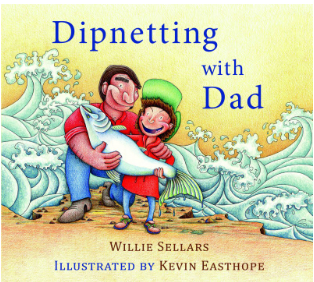
Dipnetting with Dad (look for this book in your school library!)

The Making of Dipnetting with Dad:

https://www.youtube.com/watch?v=IUoDcWOJ9ww?rel=0

Teacher’s Guide 

Activities:

What Makes a Family?  Watch and listen to the song and try the activities from Wonderopolis below.

https://www.youtube.com/watch?v=ii_LtHrEiao?rel=0

Read/listen to a Wonder-of-the-day:  “What Makes a Family?”  Try some of  the family activities (and look at a very cute photo of a meerkat family).

National Poetry Month


From the League of Canadian Poets:

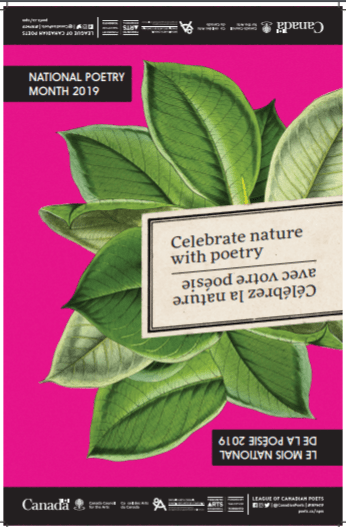
Celebrate nature with poetry this April!

“The League of Canadian Poets invites you to celebrate the 21st annual National Poetry Month in April with nature – whether it’s mountain ranges, deserts, forests, oceans, or plains; whether it’s a cityscape or a landscape. Read, write, and share poetry that translates the emotional, practical, and reciprocal relationships we build – as individuals and communities – to the natural world onto the page.”

“What will you read this National Poetry Month? What events will you organize, attend? Will you start your own poetry writing project? Will you write your first poem? Will you share your poetry on stage for the first time?

Ideas for Teachers:

And now, let’s make a poetry party!

Poetry-palooza

Organize a poetry-palooza for a group of young readers to engage them with the many sides to poetry. Participants can read a poem aloud — original or not — to the others, or they could distribute their favourite written poem–again, original or not. But there’s more to poetry than the poems! Encourage young readers to write fanmail to their favourite poets, or take the fun even farther away from poetry and hide poems around the room (book spine poetry, anyone?), or have other poetry game stations for participants to engage with.

Poetry Play Stations

Poetry play stations use different techniques to encourage young readers to craft poems. Here are some great stations to include:

Erasure poetry: Using a page of existing text, use a black marker to complete cross out sections of the text — the words or phrases that remain can be strung together to form an original poem! Part of the beauty of erasure poem is how the entire page looks when completed, blacked-out sections and all.

Found poetry: Found poetry is very similar to erasure poetry — well, erasure poetry is a kind of found poetry — but with a little more freedom. Again using an existing text, participants select words or phrases from the text that they think will make a great poem: using the found words and phrases, they can play with line breaks, stanzas, and other ways of construction an original poem from the found text!

Book spine poetry: This is a great poetic experiment that takes over Twitter every April — using as few as three or as many as… well, as many as you can stack, create a poem using the titles of books as they appear on the spines. These make excellent photos and are great for sharing on social media!

Magnet poetry: A classic! Choosing words from a pile of individual words to string together an original poem. This could be from a magnetic poetry set, but you could also simply prepare an assortment of words for participants to choose from.” (Source: League of Canadian Poets)

Songs and Poems for Elementary Students (Source: CanTeach)

Dot Day 2018

Make your mark this school year!  September 15th-ish is International Dot Day!  Join the celebration of creativity, courage and collaboration! Based on the story “The Dot” by Peter H. Reynolds, this is a great way to start the year by celebrating the creative talents of children.

Watch the videos below to see examples of students collaborating creatively and get inspired to create:

http://animoto.com/play/CTF6JLGlvmRFNqnyN6sgmA?utm_source=thedotclub.org&utm_medium=player&utm_campaign=player

http://youtu.be/CseZabRV-Mw?rel=0

 Resources:

Clip Art Collection (by Peter H. Reynolds)

International Dot Day website: Get Inspired

Multi-language Dot Day Posters

Poster Gallery:  (many themes, including A Thinking Journey & Think Globally)

Sparking the Creative Spirit: Tips for Inspiring Writing, Creativity, Self-Expression and a Wonderful Journey


Dot Day 2017

Make your mark this school year!  September 15th-ish is International Dot Day!  Join the celebration of creativity, courage and collaboration! Based on the story “The Dot” by Peter H. Reynolds, this is a great way to start the year by celebrating the creative talents of children.

Watch the videos below to see examples of students collaborating creatively and get inspired to create:

http://animoto.com/play/CTF6JLGlvmRFNqnyN6sgmA?utm_source=thedotclub.org&utm_medium=player&utm_campaign=player

http://youtu.be/CseZabRV-Mw?rel=0

 Resources:

Clip Art Collection (by Peter H. Reynolds)

International Dot Day website: Get Inspired

Multi-language Dot Day Posters

Poster Gallery:  (many themes, including A Thinking Journey & Think Globally)

Sparking the Creative Spirit: Tips for Inspiring Writing, Creativity, Self-Expression and a Wonderful Journey


Cardboard Challenge

This September, get creative with cardboard and other recycled materials.  Participate in the Global Cardboard Challenge, which culminates in a day of play on October 7th.

Be inspired:

https://www.youtube.com/watch?v=faIFNkdq96U?rel=0

https://www.youtube.com/watch?v=Ul9c-4dX4Hk?rel=0

Additional Resources:

Organizer Playbook (Guide)

Design for Change Playbook

Info sheet and FAQ

Science Odyssey

Ten days of discovery and innovation

May 12-21st, 2017

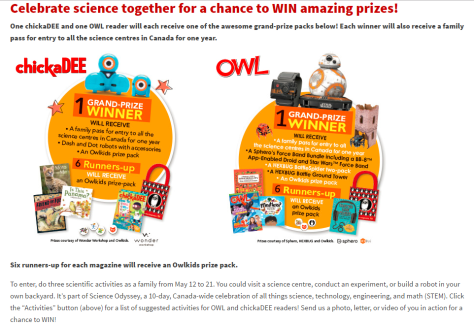
“Science Odyssey is Canada’s largest celebration of science, technology, engineering and mathematics, featuring fun and inspiring experiences in museums, research centres, laboratories and classrooms from coast to coast.

Powered by NSERC, Science Odyssey demonstrates how discoveries and innovations shape our daily lives and foster a strong science culture in Canada.” (Source: Government of Canada)

Click on the images below for details:

Click on the poster to see detailed experiments that go with these activities!


Spring into Action 2019!

The Mission  Spring/Summer 2019  Leisure Guide has been published!

There are lots of opportunities to be active over spring break.  Click here to read the guide and find times for swimming, skating and more!

Go Noodle is a great website for encouraging fun physical activity at home or in the classroom.  They create videos full of fun movement games and dances. Check out these sample videos and get moving!

https://www.youtube.com/watch?v=BQ9q4U2P3ig?rel=0

https://www.youtube.com/watch?v=KhfkYzUwYFk?rel=0


Healthy Harvest

Autumn is a season full of rich traditions and celebrations in many cultures and nations.  It is a wonderful time to get outside and use all of your senses to observe changes on the land, in the air, and along our waterways.

Many schools are learning about apples, pumpkins, salmon and other food sources that are ready to harvest at this time of the year. There are wonderful books in your school library about cycles of growing, visiting farms, and autumn traditions.

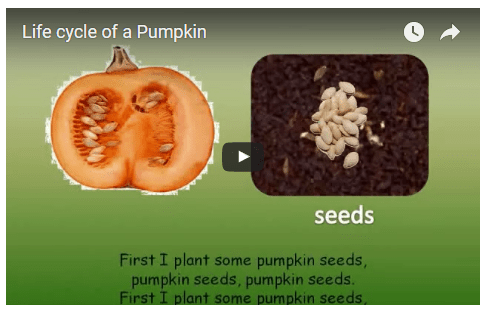
Here is a song about the life cycle of a pumpkin:

https://www.youtube.com/watch?v=tU-GwFHQZI8?rel=0

Do you have a favourite fall activity?  What do you like about this season?  Do you have a favourite autumn meal in your family and/or community?

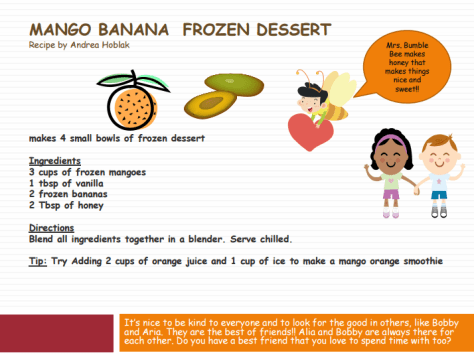
Better Together BC is a great place to find family-friendly recipes and resources.  Here are a few highlights that you might like to use at home or at school:

kindergardenchef

letstalk_octblogpost

the-spatulatta-405x460

“Spatulatta teaches children to cook with free step-by-step videos. It encourages children to take pride in their accomplishments in the kitchen and to understand the connection between farm and dinner table. It also encourages children to ask their family members and friends for recipes and to cook those dishes together.” (Better Together BC)

 For teachers:

My Seasonal Round was shared by Dewdney Elementary as an integrated unit for elementary Social Studies and Science.

“This unit illustrates the integration of Social Studies and Science. The seasonal round was chosen as a theme for this unit because it lends itself well to integrating the topics of BC First Nations study in Social Studies, and habitat in Science.”

Fire Prevention

firepreventionweek

Fire Prevention Week

October 9 to 15, 2016

This year’s theme is “Don’t Wait, Check the Date!  Replace smoke alarms every ten years.”

fireinfoeng fireinfofr

Here are some fun ways to learn about fire safety and the importance of smoke detectors:

Teach Fire Safety using resources from the National Fire Protection Association :

https://www.youtube.com/watch?v=8OVHhkqpZf8?rel=0

https://www.youtube.com/watch?v=xCp4xjm1TZY?rel=0

Father’s Day

Sunday, June 19th is Father’s Day.  Here are some great ideas to show Dads how much we appreciate them. There is also a song about families and some inquiry activities around the question “What makes a family?”.

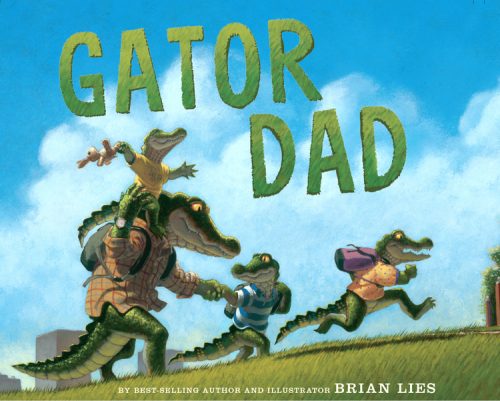
Book Trailer: Gator Dad by Brian Lies (released in May, 2016)

Gator Dad Activity kit

Activities: (From a post on  Wonderopolis)

“How will you celebrate Father’s Day? Here are some fun activities you can explore with a friend or family member:

  • Does your dad like to golf? Challenge him to a fun game that’s just a little different than what he might be used to. Play Frisbee Golf! (There is a course at Centennial Park in Mission!)
  • Think about all the fun times you’ve had with your dad over the years. Make your own homemade Father’s Day card to show him how much he means to you. Include special memories of the most special times you’ve spent together. Have fun reminiscing about the good ol’ days!
  • Treat dear old Dad to a special day of relaxation in the backyard. Get him a comfy chair, offer to do a few chores, fix him a nice lunch, grab him a refreshing drink, and then after he’s had a nice nap, play some fun backyard games together! Enjoy the day celebrating the special father figures in your life!”

What Makes a Family?  Watch and listen to the song and try the activities from Wonderopolis below.

Read/listen to another Wonder-of-the-day:  “What Makes a Family?”  Try some of  the family activities (and look at a very cute photo of a meerkat family).

Summer Reading Club

It’s that time of year again!  This year, the theme for the Fraser Valley Regional Library (FVRL) Reading Club is “Book a Trip”.

Mission Public Library:  Summer Reading Club Kick-Off

Saturday, June 25, 2016 (1:00 pm – 4:00 pm)

“Book a Trip and travel with your imagination as you read throughout the summer! Join us for games, refreshments, and fun. It’s a one-stop shop to sign up for all of our Summer Reading Clubs, including preschoolers, kids, teens and adults.”

Here is some information from the FVRL Summer Reading website:

Grab your compass and get ready to travel the world! Book a trip to the library and join the Summer Reading Club. There is a club for everyone! Visit your favourite FVRL location to join. Sign-up starts mid-June and continues throughout the summer.

Read To Me (0 to Preschool)

Little ones get stickers, prizes and a medal. Keep track of the reading you do with your child.

Kids (grades K to 6)

Join the SRC and get an awesome reading record designed by BC illustrator Lee Edward Fodi. Win prizes, see great shows, and earn a medal. Just read every day!

Teens (grades 7 to 12)

Pick up a reading record. Read. Enter to win prizes. Repeat. It doesn’t get much simpler than that! Teens @ FVRL on FVRL’s Facebook page. You will find book reviews, trailers, quizzes, and more.

Adults (everyone else)

Reading isn’t just for kids! Read and enter draws for every seven days of reading. The more you read, the more chances you have to win.

Travel A to Z this summer. Join the summer reading club and discover amazing places far and near. Sign up starts in June and continues throughout the summer.