Earth Day 2025

Earth Day 2025:  Our Power, Our Planet

“Tuesday, April 22, 2025 is the 55th anniversary of Earth Day. We invite everyone to support Earth Day’s 2025 theme: OUR POWER, OUR PLANET™.

There are many ways you can get involved and make a difference for our planet on Earth Day and every day. Join millions worldwide in Earth Day 2025 activities. Attend a local event or plan and register your own. Below you’ll find resources such as QuizzesFact SheetsArticles and More to help you celebrate Earth Day this year in your community, at home, at work and at school.”

Events, toolkit and resources can be found here:

Earth Day Stories:
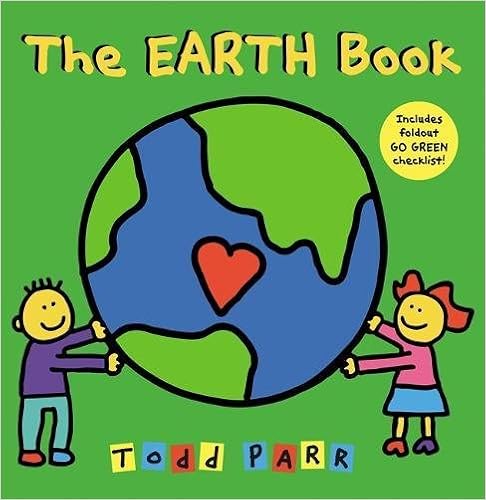
TumbleBook Library: (access via Learn75, no password required)

What happens when one small boy picks up one small piece of litter? He doesn’t know it, but his tiny act has big consequences. From the miniscule to the universal, What Matters sensitively explores nature’s connections and traces the ripple effects of one child’s good deed to show how we can all make a big difference.

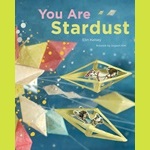
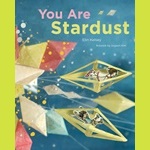
You Are Stardust begins by introducing the idea that every tiny atom in our bodies came from a star that exploded long before we were born. From its opening pages, the book suggests that we are intimately connected to the natural world; it compares the way we learn to speak to the way baby birds learn to sing, and the growth of human bodies to the growth of forests. This innovative picture book aims to reintroduce children to their innate relationship with the world around them by sharing many of the surprising ways that we are all connected to the natural world.

Wild Ideas looks deep into the forests, skies and oceans to explore how animals solve problems. Whether it’s weaving a safe place to rest and reflect, blowing a fine net of bubbles to trap fish, or leaping boldly into a new situation, the animals featured (including the orangutan, humpback whale and gibbon) can teach us a lot about creative problem solving tools and strategies. Wild Ideas encourages an inquiry-based approach to learning, inviting readers to indulge their sense of wonder and curiosity by observing the natural world, engaging with big ideas and asking questions.

Articles  and Activity Ideas from CBC Kids:

National Poetry Month: April 2025

From the League of Canadian Poets:

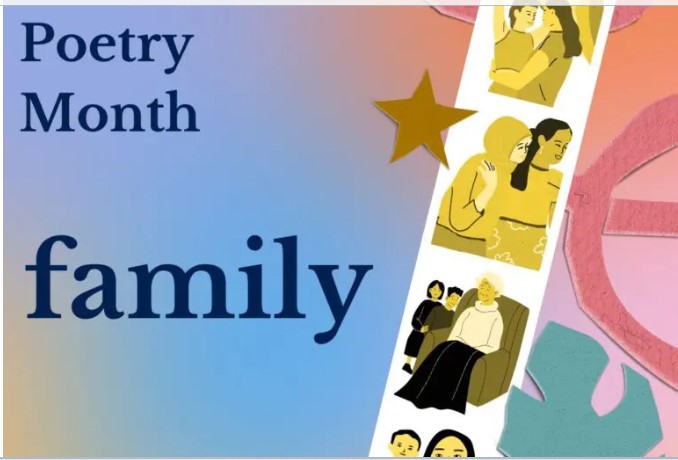
“Celebrate National Poetry Month 2025 using the theme FAMILY in its many forms: found and chosen family, birth family, and family that defies categorization.

This April, turn to poetry to celebrate, cherish, mourn, critique, and explore the myriad bonds that family forms in our lives. Parents, pets, friendships, soulmates, siblings, plants, and beyond: the League invites you to examine the shape of family in your life now, to witness the intergenerational impact of ancestors, and to consider the role of family in generations to come. “

  1. Selections from: Tea and Bannock Stories: First Nations Community of Poetic Voices (Simon Fraser University, First Nations Studies. Compiled by annie ross, Brandon Bob, Eve Chuang and the Chuang Family, Steve Davis, Robert Pictou)


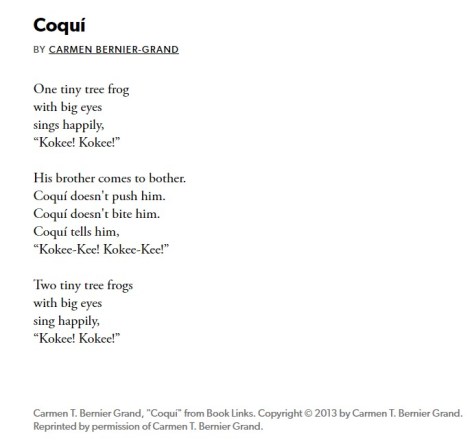
2. Selections from Poetry Foundation: Poetry for Children

Ideas for Teachers: (from the League of Canadian Poets)

Poetry Play Stations

Poetry play stations use different techniques to encourage young readers to craft poems. Here are some great stations to include:

Erasure poetry: Using a page of existing text, use a black marker to complete cross out sections of the text — the words or phrases that remain can be strung together to form an original poem! Part of the beauty of erasure poem is how the entire page looks when completed, blacked-out sections and all.  Try it with a newspaper article!

Found poetry: Found poetry is very similar to erasure poetry — well, erasure poetry is a kind of found poetry — but with a little more freedom. Again using an existing text, participants select words or phrases from the text that they think will make a great poem: using the found words and phrases, they can play with line breaks, stanzas, and other ways of construction an original poem from the found text!

Book spine poetry: This is a great poetic experiment that takes over Twitter every April — using as few as three or as many as… well, as many as you can stack, create a poem using the titles of books as they appear on the spines. These make excellent photos and are great for sharing!

Magnet poetry: A classic! Choosing words from a pile of individual words to string together an original poem. This could be from a magnetic poetry set, but you could also simply prepare an assortment of words for participants to choose from.” (Source: League of Canadian Poets)

Additional Resources:

“Every National Poetry Month we present Dear Poet, a multimedia education project that invites young people in grades five through twelve to write letters in response to poems written and read by award-winning poets.”

Family Literacy Week 2025

2025 Family Literacy Theme:

Learn to be Green, Together
FamilLit_2025

“Being green means taking care of the Earth by using and buying less, recycling and saving energy. Children learn by watching adults use reusable items, turn off lights and recycle. Starting young helps children grow up knowing how to protect our planet. This backgrounder includes information about the benefits of being green, as well as ideas for how families can create fun environmentally-friendly activities together.

This backgrounder is intended to be used with the age-specific activity sheets:

(From Decoda Literacy Solutions, 2024)

Early Learning Families: Check out the Early Learning Page on Curriculum Connections for creative family activities developed by MPSD’s StrongStart Team

National Indigenous Peoples Month 2024

Local Kwantlen Elders: (Part 1 & 2)

Virtual Ways to Participate:


Government of Canada Learning Resources 

NationalIndigenousMonth_2024

NationalIndigenousMonth_2024_1

Educator Guides:

  • NIMMIWG –Their Voices Will Guide Us:  Student & Youth Engagement Guide (Early Learning – Gr.12) (p.1 to p. 19 for K to 5)
  • Walking Together: First Nations, Metis and Inuit Perspectives in Curriculum  The digital resource Walking Together: First Nations, Métis and Inuit Perspectives in Curriculum was designed to help teachers understand the holistic nature of First Nations, Métis and Inuit ways of knowing; to provide opportunity for Inuit, First Nations and Métis peoples to share their perspectives on topics important to them; and to demonstrate First Nations, Métis and Inuit perspectives in teaching and learning experiences.
  • The Secret Life of the North (CBC):How has the North been impacted by forces of colonization and why have many Canadians not known about the history, geography, and society of the Inuit? This episode explores the history and geography of the North; examines the distinct culture, language and politics of the Inuit; and recognizes the impacts of colonization on the Inuit. Possible teaching connections include Geography, History, Social Studies, Indigenous Studies, Civics, and Anthropology.

Earth Day 2024

Earth Day 2024:  Planet vs. Plastics

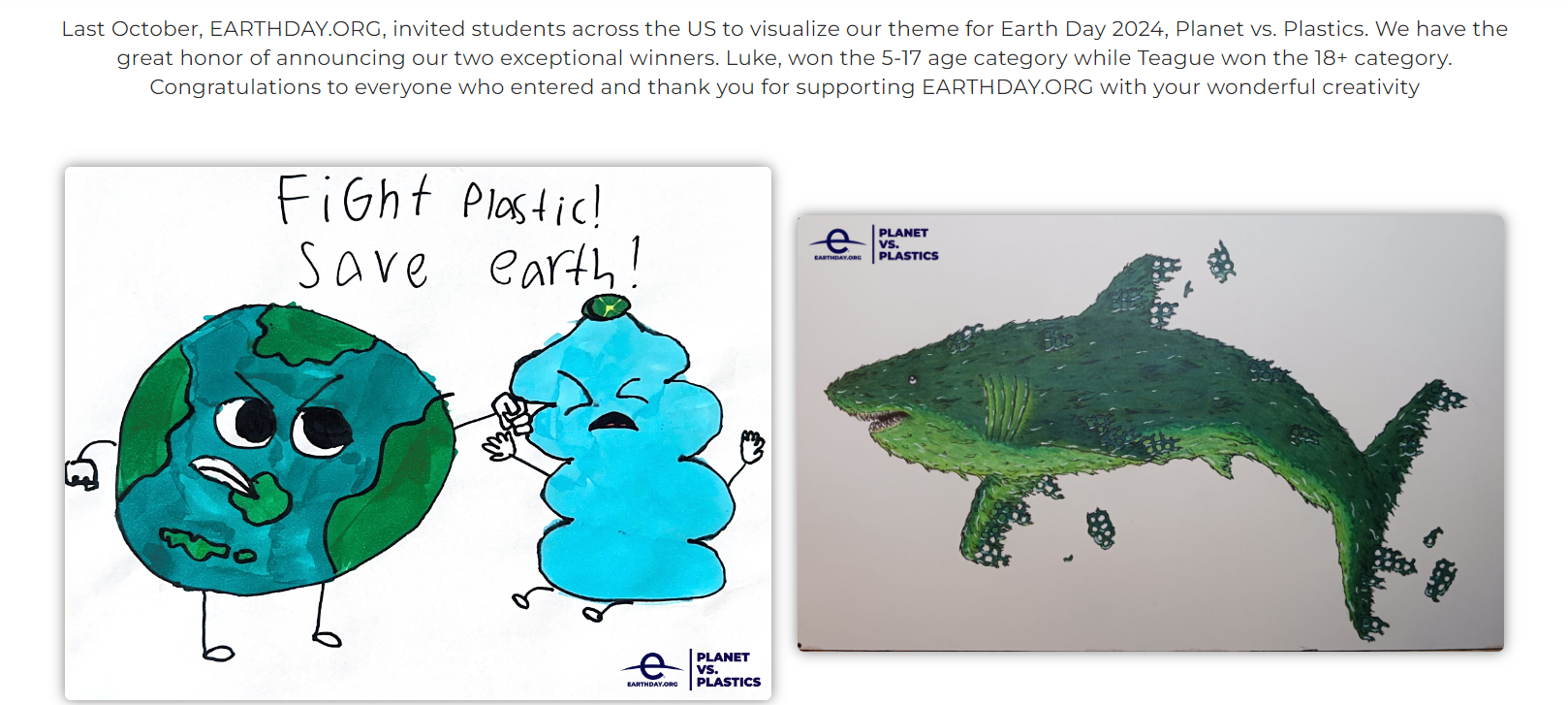
“For Earth Day 2024 on April 22nd, EARTHDAY.ORG is unwavering in our commitment to end plastics for the sake of human and planetary health, demanding a 60% reduction in the production of ALL plastics by 2040.”

EarthDay2024_1

Earth Day Stories:

https://www.youtube.com/watch?v=aXnWUS_K0XQ?rel=0

Tumblebooks: (access via Learn75, no password required)

What happens when one small boy picks up one small piece of litter? He doesn’t know it, but his tiny act has big consequences. From the miniscule to the universal, What Matters sensitively explores nature’s connections and traces the ripple effects of one child’s good deed to show how we can all make a big difference.

You Are Stardust begins by introducing the idea that every tiny atom in our bodies came from a star that exploded long before we were born. From its opening pages, the book suggests that we are intimately connected to the natural world; it compares the way we learn to speak to the way baby birds learn to sing, and the growth of human bodies to the growth of forests. This innovative picture book aims to reintroduce children to their innate relationship with the world around them by sharing many of the surprising ways that we are all connected to the natural world.

Wild Ideas looks deep into the forests, skies and oceans to explore how animals solve problems. Whether it’s weaving a safe place to rest and reflect, blowing a fine net of bubbles to trap fish, or leaping boldly into a new situation, the animals featured (including the orangutan, humpback whale and gibbon) can teach us a lot about creative problem solving tools and strategies. Wild Ideas encourages an inquiry-based approach to learning, inviting readers to indulge their sense of wonder and curiosity by observing the natural world, engaging with big ideas and asking questions.

Articles  and Activity Ideas from CBC Kids:

National Poetry Month: April 2024

NationalPoetry_2024

From the League of Canadian Poets:

Celebrate National Poetry Month 2024 with the theme of WEATHER. Through sun, snow, rain, wind, fog, and many other iterations, we find the captivating presence of weather. With poetic flair, weather dictates the rhythms of our lives from coast to coast.

This April 2024, we invite poets and poetry lovers to delve into the experiences, feelings, and inspiration that weather offers. Whether the serenity of a snowfall, exhilaration of a summer downpour, or the familiar whispers of a gentle breeze, the League of Canadian Poets invites you to explore WEATHER this National Poetry Month – April 2024.

  1. Selections from: Tea and Bannock Stories: First Nations Community of Poetic Voices (Simon Fraser University, First Nations Studies. Compiled by annie ross, Brandon Bob, Eve Chuang and the Chuang Family, Steve Davis, Robert Pictou)


2. Selections from Poetry Foundation: Poetry for Children

Ideas for Teachers: (from the League of Canadian Poets)

Poetry Play Stations

Poetry play stations use different techniques to encourage young readers to craft poems. Here are some great stations to include:

Erasure poetry: Using a page of existing text, use a black marker to complete cross out sections of the text — the words or phrases that remain can be strung together to form an original poem! Part of the beauty of erasure poem is how the entire page looks when completed, blacked-out sections and all.  Try it with a newspaper article!

Found poetry: Found poetry is very similar to erasure poetry — well, erasure poetry is a kind of found poetry — but with a little more freedom. Again using an existing text, participants select words or phrases from the text that they think will make a great poem: using the found words and phrases, they can play with line breaks, stanzas, and other ways of construction an original poem from the found text!

Book spine poetry: This is a great poetic experiment that takes over Twitter every April — using as few as three or as many as… well, as many as you can stack, create a poem using the titles of books as they appear on the spines. These make excellent photos and are great for sharing!

Magnet poetry: A classic! Choosing words from a pile of individual words to string together an original poem. This could be from a magnetic poetry set, but you could also simply prepare an assortment of words for participants to choose from.” (Source: League of Canadian Poets)

Black History Month

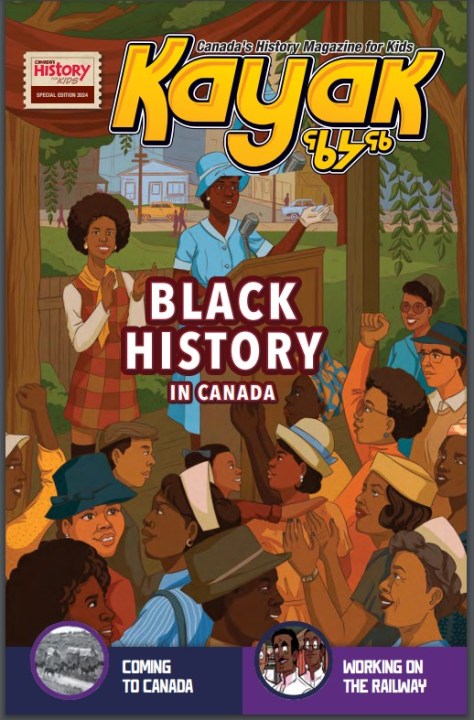
February is Black History Month! 

“Every February, people across Canada participate in Black History Month events and festivities that honour the legacy of Black people in Canada and their communities.

No matter where you live, we invite all Canadians to learn more about these communities, and how they continue to help shape Canadian history.” (Source: Government of Canada)

Digital Resources: 

Books: (Recommended by ARC Vancouver)

“The Other Side” by Jacqueline Woodson

“Let’s Talk About Race” by Julius Lester

“The Colors of Us” by Karen Katz

“Martin’s Big Words” by Doreen Rappaport

“The Day You Begin” by Jacqueline Woodson

“I Am Enough” by Grace Byers

“Last Stop on Market Street” by Matt de la Peña

“Each Kindness” by Jacqueline Woodson

“Ruby Bridges Goes to School” by Ruby Bridges

Also by ARC Vancouver: Art and craft projects that promote unity and diversity:

  • Unity Handprints: Have students create handprints using different skin tone colors to symbolize diversity. Arrange them together to form a unity collage.
  • Unity Tree: Create a tree with a trunk and branches on a large piece of paper. Each student can add their handprints as leaves, representing their unique identity while being part of the same tree.
  • Unity Quilt: Let each student decorate a fabric square with drawings or messages of unity and diversity. Stitch these squares together to create a classroom quilt. To encourage students to express their thoughts and feelings about Black Shirt Day, inspire them to write poetry, create artwork, and write short essays or stories that reflect their understanding of unity, diversity, and anti-racism

Videos:

KN Explains: Black History Month (CBC Curio)

To celebrate Black History Month, we take a look at the long and storied history of Black British Columbians. Fran Morrison takes us from the earliest Black settlers to the enduring Black community of the present day. (Royal BC Museum)

Pink Shirt Day 2024

Mark your calendar: Pink Shirt Day is February 28th, 2024

Pinkshirt_2024

(Artwork by Corey Bulpitt, from the Haida Na7ikun-Raven Clan)

“We believe everyone – young and old – has the power to create change!”

“This Pink Shirt Day, let’s do what we can to elevate the voices of all, and take a stand against bullying. We can show others that we advocate for kindness and inclusivity by wearing our Pink Shirt Day apparel. We encourage you to help spread awareness for this important cause not only in February, but throughout the entire year. Net proceeds from sales go directly to helping children in British Columbia and Western Canada build healthy self-esteem and access the supports they need.”  (https://www.pinkshirtday.ca/)

Where did Pink Shirt Day come from?

In 2007 in Nova Scotia, Grade 12 students David Shepherd, Travis Price and a few friends saw that a grade 9 student was being bullied for wearing a pink shirt on the first day of school.

They knew they had to do something to show that this kind of behavior was not okay.

They decided to go out and buy pink shirts and hand them out to other students to wear.

By the end of that week, most of the students in the school were wearing pink shirts to show support for the grade 9 student who was bullied.

On February 23rd, wear something pink to show that we are all working together to erase bullying in our community.

Resources:

Book recommendations:

(Educator/Family guide also available.)

February 14th: Have a Heart Day 2024

This message is from the First Nations Child & Family Caring Society of Canada (FNCFCS) website:

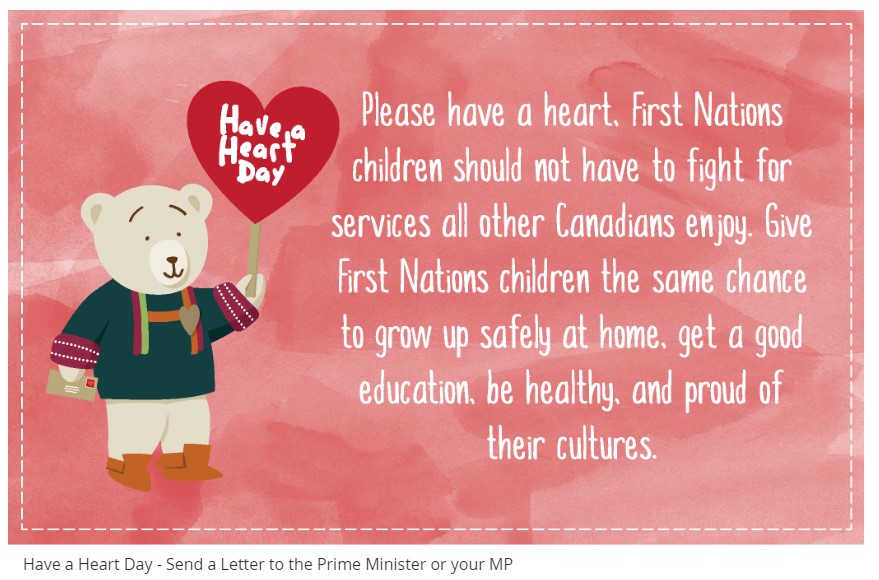
“Have a Heart Day is a child and youth-led reconciliation campaign that brings together caring Canadians to help ensure First Nations children have the services they need to grow up safely at home, get a good education, be healthy, and be proud of who they are.

Watch “End the Gap – Fair Funding For First Nations Schools”

https://www.youtube.com/watch?v=LchiS8eQ7UM?rel=0

Activity Ideas:

  • Spread the word through social media like YouTube, Twitter, and Facebook. Use the hashtag #HaveaHeartDay and/or #JourneeAyezUnCoeur.

Explore the Have a Heart Day website to download Have a Heart Day resources.

Through activities like Have a Heart Day, we are creating a movement where the landscape of Canada is only one of honour and possibility for First Nations children.”

FNCFCS also shared this music video by N’we Jinan Artists “Important to Us”, written and performed by students at Pierre Elliot Trudeau School.

Their message is inspiring:

“No matter where you’re from,

let’s fill our home with colour and love.”

http://www.youtube.com/watch?v=u9mJYjUWGS8?rel=0

Teachers: More resources are available here

  • Borrow Spirit Bear books by Cindy Blackstock from your school or Siwal Si’wes Library.
  • Follow Cindy Blackstock on Twitter (Cindy Blackstock @cblackst) and/or F.N. Caring Society on Twitter(F.N. Caring Society @Caringsociety)
  • Explore the Have a Heart Day website to download Have a Heart Day resources.

National Poetry Month 2023

Poetry_2023

From the League of Canadian Poets:

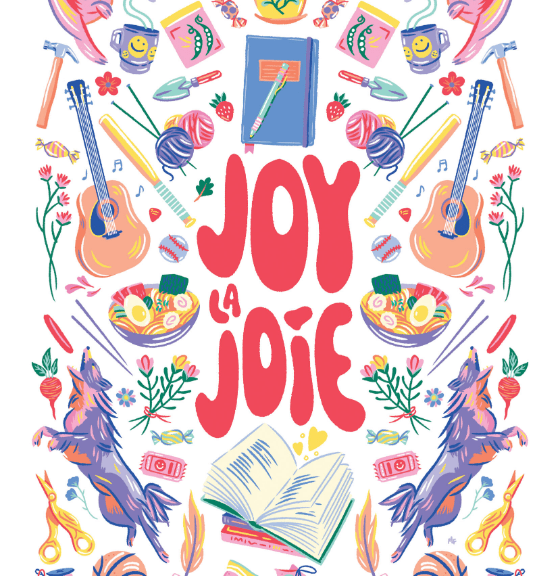
The League of Canadian Poets invites you to celebrate the 25th National Poetry Month this April 2023 with the theme of joy. 

What will you read this National Poetry Month?  Will you start your own poetry writing project? Will you write your first poem?

What does JOY mean to you?

  1. Selections from: Tea and Bannock Stories: First Nations Community of Poetic Voices (Simon Fraser University, First Nations Studies. Compiled by annie ross, Brandon Bob, Eve Chuang and the Chuang Family, Steve Davis, Robert Pictou)


2. Selections from Poetry Foundation: Poetry for Children

Ideas for Teachers: (from the League of Canadian Poets)

Poetry Play Stations

Poetry play stations use different techniques to encourage young readers to craft poems. Here are some great stations to include:

Erasure poetry: Using a page of existing text, use a black marker to complete cross out sections of the text — the words or phrases that remain can be strung together to form an original poem! Part of the beauty of erasure poem is how the entire page looks when completed, blacked-out sections and all.  Try it with a newspaper article!

Found poetry: Found poetry is very similar to erasure poetry — well, erasure poetry is a kind of found poetry — but with a little more freedom. Again using an existing text, participants select words or phrases from the text that they think will make a great poem: using the found words and phrases, they can play with line breaks, stanzas, and other ways of construction an original poem from the found text!

Book spine poetry: This is a great poetic experiment that takes over Twitter every April — using as few as three or as many as… well, as many as you can stack, create a poem using the titles of books as they appear on the spines. These make excellent photos and are great for sharing!

Magnet poetry: A classic! Choosing words from a pile of individual words to string together an original poem. This could be from a magnetic poetry set, but you could also simply prepare an assortment of words for participants to choose from.” (Source: League of Canadian Poets)

Earth Day 2023

Earth Day 2023:

Earth Day Stories:

https://www.youtube.com/watch?v=aXnWUS_K0XQ?rel=0

Tumblebooks: (access via Learn75, no password required)

What happens when one small boy picks up one small piece of litter? He doesn’t know it, but his tiny act has big consequences. From the miniscule to the universal, What Matters sensitively explores nature’s connections and traces the ripple effects of one child’s good deed to show how we can all make a big difference.

You Are Stardust begins by introducing the idea that every tiny atom in our bodies came from a star that exploded long before we were born. From its opening pages, the book suggests that we are intimately connected to the natural world; it compares the way we learn to speak to the way baby birds learn to sing, and the growth of human bodies to the growth of forests. This innovative picture book aims to reintroduce children to their innate relationship with the world around them by sharing many of the surprising ways that we are all connected to the natural world.

Wild Ideas looks deep into the forests, skies and oceans to explore how animals solve problems. Whether it’s weaving a safe place to rest and reflect, blowing a fine net of bubbles to trap fish, or leaping boldly into a new situation, the animals featured (including the orangutan, humpback whale and gibbon) can teach us a lot about creative problem solving tools and strategies. Wild Ideas encourages an inquiry-based approach to learning, inviting readers to indulge their sense of wonder and curiosity by observing the natural world, engaging with big ideas and asking questions.

Articles  and Activity Ideas from CBC Kids:
February 14th: Have a Heart Day 2023

This message is from the First Nations Child & Family Caring Society of Canada (FNCFCS) website:

“Have a Heart Day is a child and youth-led reconciliation campaign that brings together caring Canadians to help ensure First Nations children have the services they need to grow up safely at home, get a good education, be healthy, and be proud of who they are.

Watch “End the Gap – Fair Funding For First Nations Schools”

https://www.youtube.com/watch?v=LchiS8eQ7UM?rel=0

Activity Ideas:

  • Spread the word through social media like YouTube, Twitter, and Facebook. Use the hashtag #HaveaHeartDay and/or #JourneeAyezUnCoeur.

Explore the Have a Heart Day website to download Have a Heart Day resources.

Through activities like Have a Heart Day, we are creating a movement where the landscape of Canada is only one of honour and possibility for First Nations children.”

FNCFCS also shared this music video by N’we Jinan Artists “Important to Us”, written and performed by students at Pierre Elliot Trudeau School.

Their message is inspiring:

“No matter where you’re from,

let’s fill our home with colour and love.”

http://www.youtube.com/watch?v=u9mJYjUWGS8?rel=0

Teachers: More resources are available here

  • Borrow Spirit Bear books by Cindy Blackstock from your school or Siwal Si’wes Library.
  • Follow Cindy Blackstock on Twitter (Cindy Blackstock @cblackst) and/or F.N. Caring Society on Twitter(F.N. Caring Society @Caringsociety)
  • Explore the Have a Heart Day website to download Have a Heart Day resources.

Pink Shirt Day 2023

Mark your calendar: Pink Shirt Day is February 22rd, 2023.

PinkShirt_2023

“Today our diversity is becoming more visible than ever as people continue to embrace their cultures, identities, and true selves in more open and direct ways; making the need to Lift Each Other Up and have greater acceptance, respect, and inclusion for everyone so important. This year we are asking you to join us in celebrating our diversity while raising funds to support inclusive anti-bullying programs for kids in our communities.”  (https://www.pinkshirtday.ca/)

Where did Pink Shirt Day come from?

In 2007 in Nova Scotia, Grade 12 students David Shepherd, Travis Price and a few friends saw that a grade 9 student was being bullied for wearing a pink shirt on the first day of school.

They knew they had to do something to show that this kind of behavior was not okay.

They decided to go out and buy pink shirts and hand them out to other students to wear.

By the end of that week, most of the students in the school were wearing pink shirts to show support for the grade 9 student who was bullied.

On February 23rd, wear something pink to show that we are all working together to erase bullying in our community.

Resources:

Book recommendations:

(Educator/Family guide also available.)

Family Literacy Week 2023

2023 Family Literacy Theme:

Make it count!FamilyLit_2023

Play . Sort . Measure.

“Numeracy is everywhere. Children start using math the moment they start exploring the world. Sorting, counting and measuring are ways of playing with math. Talking about math with children helps build a positive attitude towards math. Math talk helps your child connect math with daily activities.”

Recommended Resource: Math in Mission Website

Additional Resources: Make it Count Activities

Additional Resources

Joyful Literacy Family Literacy Activities:

(developed by Dr. Janet Mort)

Early Learning Families: Check out the Early Learning Page on Curriculum Connections for creative family activities developed by MPSD’s StrongStart Team

Veterans’ Week 2022

Here are some resources that connect with the theme of Remembrance:

Veterans Affairs Canada – Veterans’ Week Poster:

VeteransWeek2021

“This special commemorative poster features a Royal Canadian Air Force pilot settling into the cockpit of a CF-18 jet fighter at an airbase in Eastern Europe in September 2018. The Canadian Armed Forces have deployed to the region for years as part of Operation REASSURANCE to support our North Atlantic Treaty Organization allies.

This Veterans’ Week, how will you remember the generations of brave Canadians who have put their lives on the line in the cause of peace and freedom?”  (Veterans Affairs Canada)

https://www.youtube.com/watch?v=4RrtGg3KnR4?rel=0

https://www.youtube.com/watch?v=n2Z6RSKbrw0?rel=0

https://www.youtube.com/watch?v=c7jla_6CD3A?rel=0

Additional Resources:

national-aboriginal-monument

  • Interactive Activity: (Ages 10+)

Over the Top: An Interactive Adventure

“An activity created by the Canadian War Museum to help students understand the First World War from a soldier’s perspective. The activity’s interactive nature and its animation-based format will appeal to younger students. Includes a glossary of terms. (Recommended for ages 10 and up.)”

Earth Day 2022

Earth Day Stories:

https://www.youtube.com/watch?v=aXnWUS_K0XQ?rel=0

Tumblebooks: (access via Learn75, no password required)

What happens when one small boy picks up one small piece of litter? He doesn’t know it, but his tiny act has big consequences. From the miniscule to the universal, What Matters sensitively explores nature’s connections and traces the ripple effects of one child’s good deed to show how we can all make a big difference.

You Are Stardust begins by introducing the idea that every tiny atom in our bodies came from a star that exploded long before we were born. From its opening pages, the book suggests that we are intimately connected to the natural world; it compares the way we learn to speak to the way baby birds learn to sing, and the growth of human bodies to the growth of forests. This innovative picture book aims to reintroduce children to their innate relationship with the world around them by sharing many of the surprising ways that we are all connected to the natural world.

Wild Ideas looks deep into the forests, skies and oceans to explore how animals solve problems. Whether it’s weaving a safe place to rest and reflect, blowing a fine net of bubbles to trap fish, or leaping boldly into a new situation, the animals featured (including the orangutan, humpback whale and gibbon) can teach us a lot about creative problem solving tools and strategies. Wild Ideas encourages an inquiry-based approach to learning, inviting readers to indulge their sense of wonder and curiosity by observing the natural world, engaging with big ideas and asking questions.

Articles  and Activity Ideas from CBC Kids:

National Poetry Month 2022

Poetry_2022_2

From the League of Canadian Poets:
The League of Canadian Poets invites you to celebrate the 24nd National Poetry Month this April 2022 with the theme of intimacy. 

This National Poetry Month, we invite you to celebrate with the theme of INTIMACY.

We crave it. We fear it. We are ready to build walls against it and dive headfirst into its open arms. Intimacy is the closeness we feel with those who love us, given freely through warm hugs. It’s a shared laugh or glance between strangers, a moment of comfort in an anonymous world.

What will you read this National Poetry Month?  Will you start your own poetry writing project? Will you write your first poem?

  1. Selections from: Tea and Bannock Stories: First Nations Community of Poetic Voices (Simon Fraser University, First Nations Studies. Compiled by annie ross, Brandon Bob, Eve Chuang and the Chuang Family, Steve Davis, Robert Pictou)


2. Selections from Poetry Foundation: Poetry for Children

Ideas for Teachers: (from the League of Canadian Poets)
Poetry Play Stations

Poetry play stations use different techniques to encourage young readers to craft poems. Here are some great stations to include:

Erasure poetry: Using a page of existing text, use a black marker to complete cross out sections of the text — the words or phrases that remain can be strung together to form an original poem! Part of the beauty of erasure poem is how the entire page looks when completed, blacked-out sections and all.  Try it with a newspaper article!

Found poetry: Found poetry is very similar to erasure poetry — well, erasure poetry is a kind of found poetry — but with a little more freedom. Again using an existing text, participants select words or phrases from the text that they think will make a great poem: using the found words and phrases, they can play with line breaks, stanzas, and other ways of construction an original poem from the found text!
Book spine poetry: This is a great poetic experiment that takes over Twitter every April — using as few as three or as many as… well, as many as you can stack, create a poem using the titles of books as they appear on the spines. These make excellent photos and are great for sharing!
Magnet poetry: A classic! Choosing words from a pile of individual words to string together an original poem. This could be from a magnetic poetry set, but you could also simply prepare an assortment of words for participants to choose from.” (Source: League of Canadian Poets)

Pink Shirt Day 2022

Mark your calendar: Pink Shirt Day is February 23rd, 2022.

PinkShirt_2022

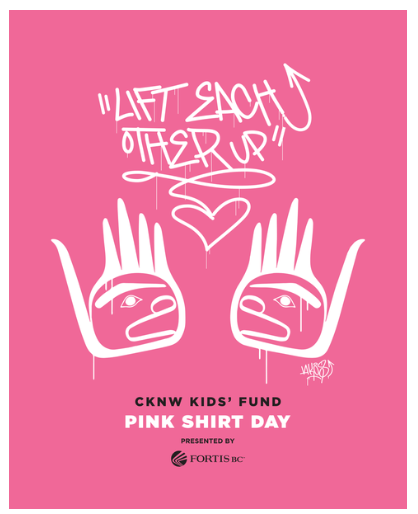
“Today our diversity is becoming more visible than ever as people continue to embrace their cultures, identities, and true selves in more open and direct ways; making the need to Lift Each Other Up and have greater acceptance, respect, and inclusion for everyone so important. This year we are asking you to join us in celebrating our diversity while raising funds to support inclusive anti-bullying programs for kids in our communities.”  (https://www.pinkshirtday.ca/)
Where did Pink Shirt Day come from?

In 2007 in Nova Scotia, Grade 12 students David Shepherd, Travis Price and a few friends saw that a grade 9 student was being bullied for wearing a pink shirt on the first day of school.

They knew they had to do something to show that this kind of behavior was not okay.

They decided to go out and buy pink shirts and hand them out to other students to wear.

By the end of that week, most of the students in the school were wearing pink shirts to show support for the grade 9 student who was bullied.

On February 23rd, wear something pink to show that we are all working together to erase bullying in our community.

Resources:

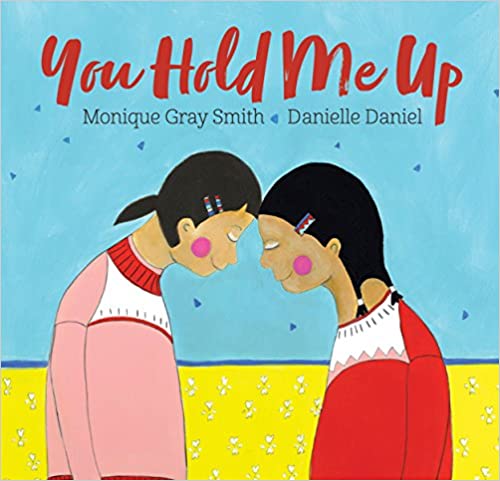
Book recommendations:

(Educator/Family guide also available.)

Learning for the 21st Century